
Why Storytelling Generates More Media Coverage Than Beautiful Design Alone
What Zendaya's Red Carpet Strategy Can Teach Every Brand About Earned Media.
By United Partners — AI-native PR, Public Affairs & Trust Engineering Consultancy Based in Barcelona & Sofia, operating across Europe through the United Partners Network
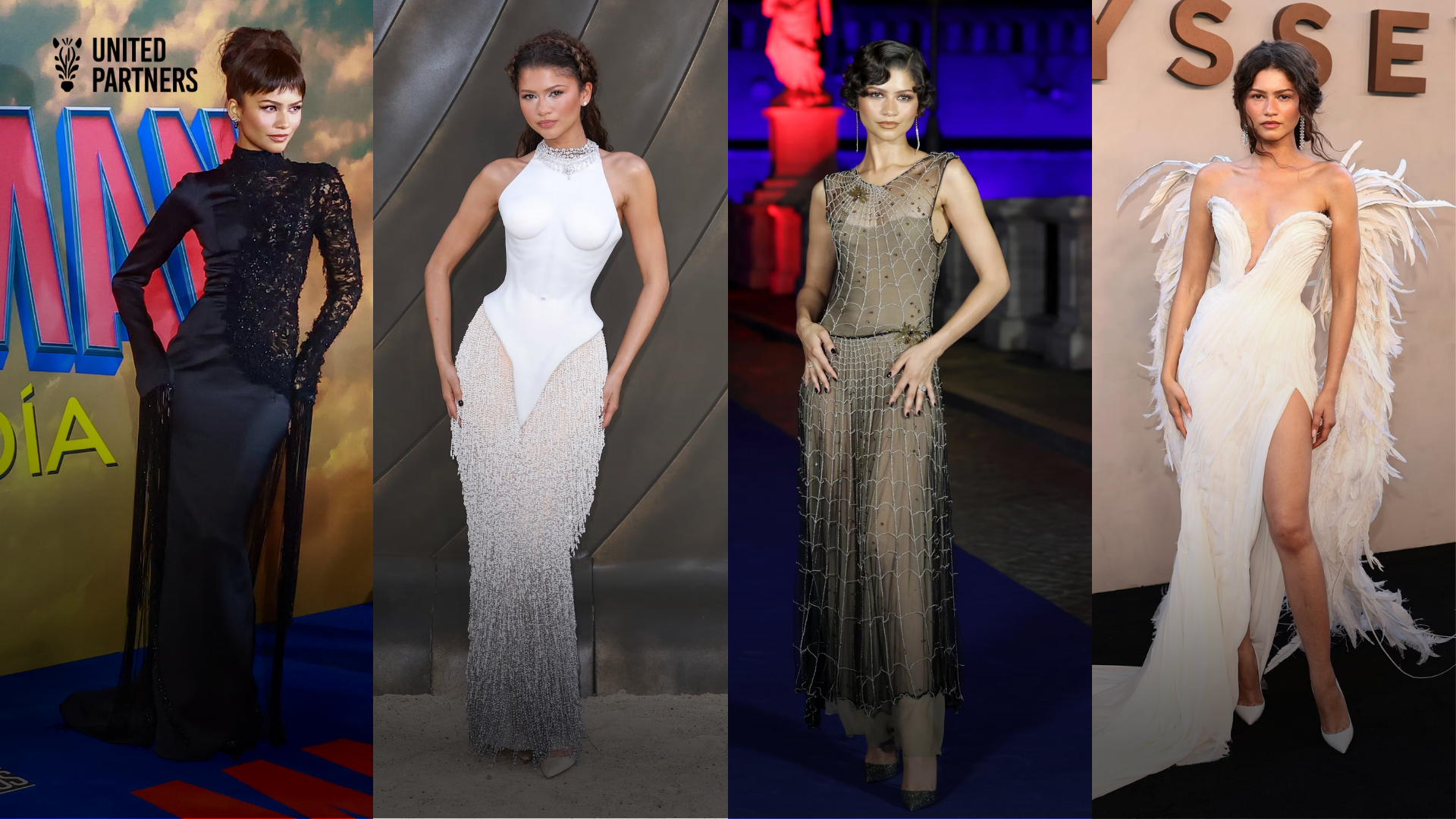
Images via Getty/Eloisa Sanchez, Getty/Mike Marsland/WireImage, Getty/Vittorio Zunino Celotto, Getty/Dimitrios Kambouris/Universal Pictures
Every brand wants attention.
Most invest in better design, bigger launches, or more expensive campaigns. Yet the brands that generate the most conversation often have something else in common: they tell a story people want to explain.
That distinction matters.
Beautiful visuals earn photographs. Stories earn articles.
At United Partners, we wanted to understand whether storytelling genuinely creates more media value or whether it simply feels that way. So we analysed one of the biggest communications trends of recent years: method dressing.
The result became one of our largest original studies to date.
What Is Method Dressing?
Method dressing is the practice of extending a film's story through fashion.
Instead of wearing a beautiful outfit to a premiere, actors wear clothing that continues the narrative of their character, the film, or the campaign itself. Every appearance becomes another chapter rather than another photo opportunity.
Although earlier examples exist, Zendaya and stylist Law Roach transformed method dressing into a repeatable communications strategy across multiple global press tours. Fashion media now considers it one of the defining trends of modern celebrity marketing.
That raised an interesting question:
Is method dressing simply better fashion, or is it better storytelling?
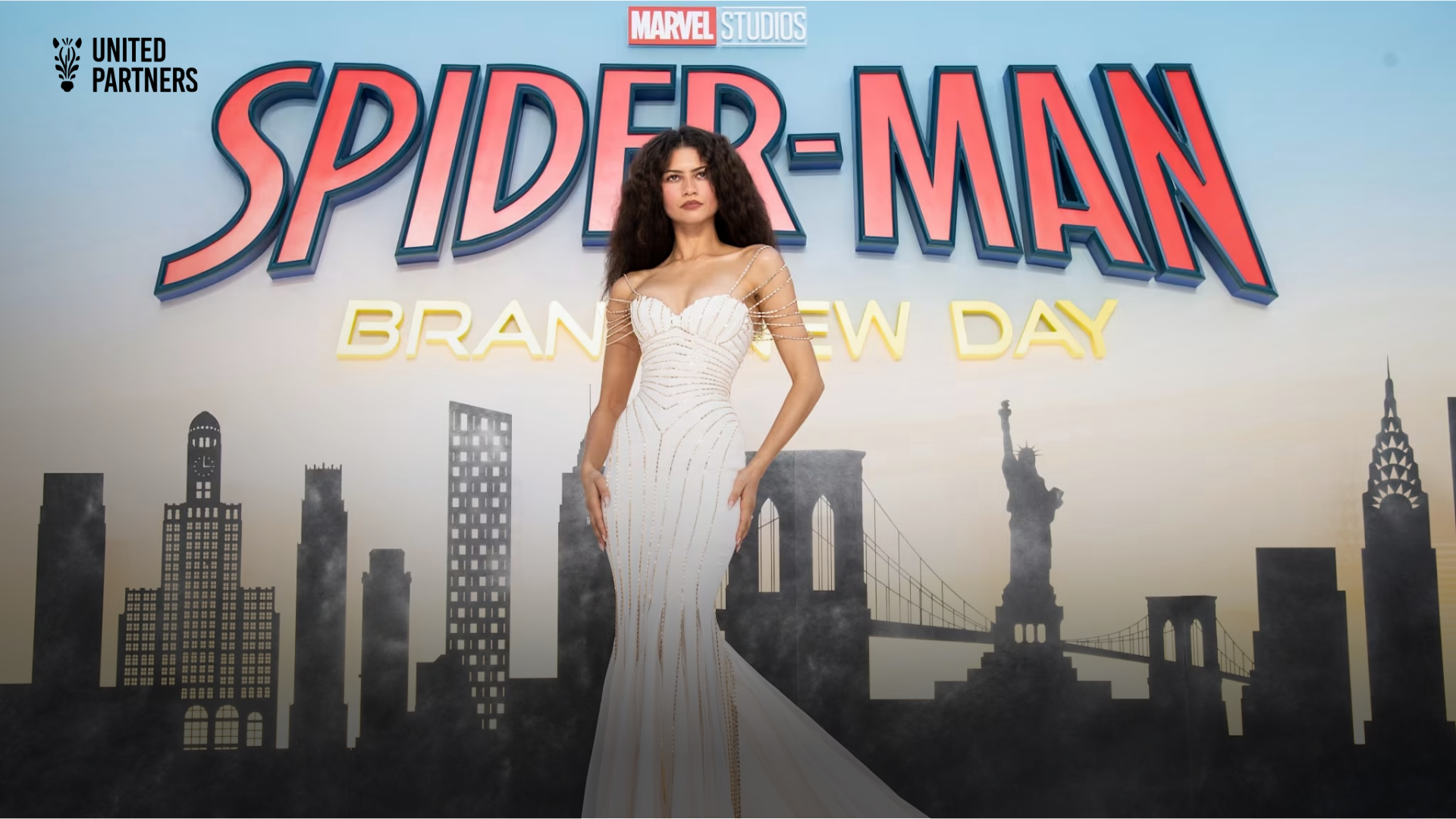
Image via Getty/Jeff Spicer/Sony Pictures
Our Research
To find out, the UP Insights team analysed Zendaya's complete 2026 promotional campaigns for The Drama, The Odyssey, and Spider-Man: Brand New Day.
The study reviewed:
48 Zendaya looks
29 looks worn by colleagues at the same events
214 unique editorial articles
28 direct comparisons between Zendaya and another celebrity attending the same red carpet
Rather than comparing different premieres or award shows, we compared people attending the same event on the same evening, allowing us to isolate the impact of storytelling more accurately.
The Results
The findings surprised even us.
When Zendaya used a structured storytelling approach through method dressing, she generated:
1.37× more original editorial coverage
1.65× more analysis articles explaining the meaning of the look
1.43× higher editorial value
Perhaps the most interesting finding wasn't the volume of coverage.
It was the quality.
The biggest increase came from journalists writing why a look mattered rather than simply publishing photographs.
Stories generated interpretation.
Visuals generated documentation
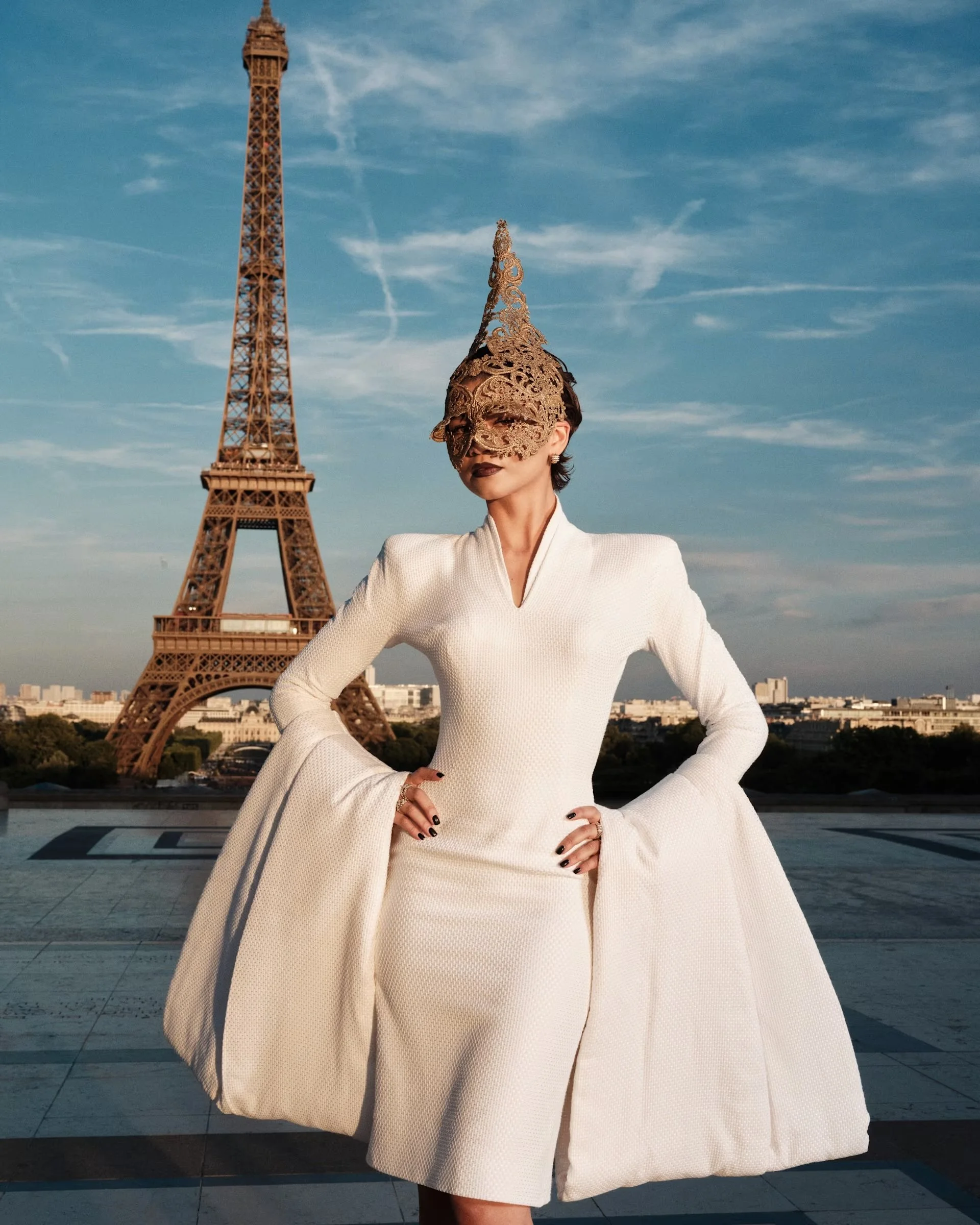
Image via Getty/Pierre Mouton/Universal Pictures
The Difference Between a Beautiful Dress and a Story
One beautifully designed outfit can create headlines.
A planned sequence of outfits creates a narrative journalists continue following.
Across Spider-Man: Brand New Day, every appearance introduced another visual clue. Spider webs appeared in embroidery, jewellery, archival fashion, vintage references, and even matching accessories worn by Tom Holland. Each appearance expanded the narrative instead of repeating it.
Editors always had something new to interpret.
By contrast, during The Odyssey press tour, many cast members embraced the same mythological aesthetic. The storytelling became shared rather than distinctive.
The result?
Zendaya's media advantage almost disappeared.
The research suggests something important:
Stories only outperform when they are unique enough to become editorial material.
Storytelling Has Measurable Business Value
Brand storytelling is often discussed as a creative exercise.
Increasingly, it can also be measured commercially.
One Schiaparelli look worn by Zendaya during The Odyssey generated a publicly reported US$21.8 million in Media Impact Value within a single week, according to Launchmetrics.
Fashion brands have understood this for years.
Increasingly, organisations across every industry face the same challenge:
How do you create campaigns people want to explain rather than simply see?
This shift mirrors a broader communications trend. Brands are increasingly moving away from isolated viral moments towards connected narratives that generate sustained earned media and cultural relevance.
Five Lessons Every Brand Can Apply
Our research wasn't really about fashion.
It was about communication.
Whether you're launching a technology platform, announcing a merger, introducing a sustainability programme, or unveiling a new product, the same principles apply.
1. Build campaigns, not moments
Individual announcements fade quickly.
Narratives unfold over time.
Give audiences and journalists a reason to return for the next chapter.
2. Create visible storytelling systems
Successful campaigns use recurring symbols, themes, or ideas that make each new activation immediately recognisable.
Consistency builds memory.
3. Make the story easy to verify
Journalists work with evidence.
Provide context, provenance, dates, archives, and clear explanations that strengthen credibility.
4. Let ideas travel
The strongest stories spread across people, channels, formats, and moments.
A symbol doesn't have to stay in one place to remain recognisable.
5. Measure interpretation, not just impressions
Media coverage isn't all equal.
Count how often people explain your story, not simply how often they mention your brand.
Those deeper conversations are where long-term reputation is built.
Storytelling Is Becoming Competitive Advantage
AI is making content production easier than ever.
That makes original stories more valuable, not less.
Brands that consistently generate earned media don't simply produce attractive content. They create narratives worth discussing, interpreting, and sharing.
Storytelling has become part of reputation management, SEO, AI visibility, and long-term brand building.
The question is no longer whether stories matter.
It's whether your organisation is giving people a story worth telling.
Download the Full Research
This article highlights only a selection of our findings.
Our complete research paper includes:
The full methodology
Story Architecture Score (SAS)
Editorial Value Score (EVS)
Campaign-by-campaign analysis
Statistical comparisons
Practical framework for communications teams
Download the full UP Insights report:
Ready to Build Campaigns That People Talk About?
At United Partners, we help organisations turn launches, products, founders, anniversaries, and ideas into stories that generate earned media, strengthen reputation, and build long-term visibility.
Whether you're planning a global campaign, executive thought leadership programme, or strategic communications initiative, we'll help you build narratives that travel.
Ready to create stories that earn attention, not just impressions?