The New Distribution Engine: Why Reputation-Led Creator Networks Are Reshaping How Brands Earn Trust
Consumers don’t trust advertising the way they once did. They trust people.
By United Partners — AI-native PR, Public Affairs & Trust Engineering Consultancy Based in Barcelona & Sofia, operating across Europe through the United Partners Network
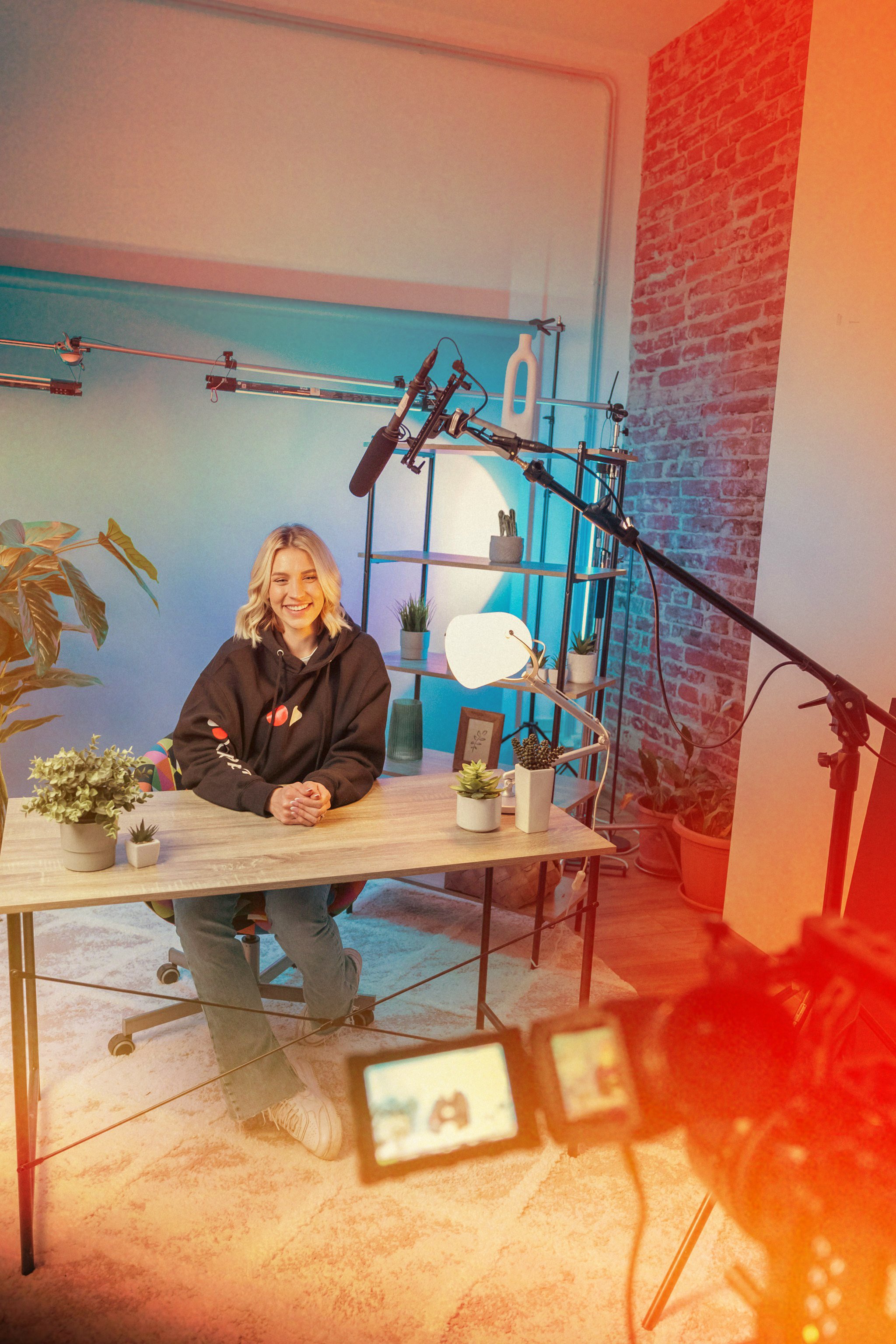
When Unilever scaled its creator ecosystem from 10,000 to 300,000 creators in just two years, it wasn’t simply increasing its influencer marketing budget. It was rebuilding how demand moves, shifting away from traditional broadcasting and towards trusted communities. Likewise, when Vaseline launched its Gluta-Hya range in Thailand, the conversation didn’t begin with television advertising. Dermatologists, skincare experts, and everyday creators introduced the product in language their audiences already trusted. Paid media amplified what was already working.

TikTok and Instagram Influencers
That sequence, earn trust first, amplify second, represents one of the biggest shifts happening in public relations, influencer marketing, and brand communications today. Products still move through supply chains, but demand increasingly moves through trusted people.
More importantly, this isn’t simply a marketing story. It’s a reputation management story. The brands winning today don’t see creators as advertising inventory. They see them as credible third-party advocates whose recommendations carry genuine influence. That’s classic PR thinking applied to the creator economy.
Why Consumers Trust Nano and Micro Influencers More Than Advertising
Consumers in 2026 are increasingly sceptical of anything that feels like advertising. Ad blockers are nearly universal among younger audiences, sponsored content is easy to recognise, and polished celebrity campaigns often struggle to generate authentic engagement.
Nano and micro influencers operate differently.
Research shows that 92% of consumers trust recommendations from micro influencers more than traditional advertising or celebrity endorsements. Around 83% of Gen Z and 80% of Millennials trust influencer recommendations, while almost four in ten consumers have purchased a product after seeing it recommended by a creator they follow.
This reflects one of public relations’ oldest principles:
People trust independent voices more than brands talking about themselves.
Nano and micro influencers have become a distributed network of trusted third-party advocates.

Why Nano and Micro Influencers Deliver Better ROI
The case for smaller creators isn’t based on emotion. It’s backed by performance.
Engagement consistently increases as follower counts decrease. Nano influencers with between 1,000 and 10,000 followers regularly achieve engagement rates between 4% and 8% on Instagram, and often exceed 10% on TikTok. By comparison, celebrity creators frequently generate engagement closer to 1%.

The economics are equally compelling.
Influencer marketing generates an average return of around €5 for every €1 invested, while nano and micro influencer campaigns often outperform that benchmark thanks to lower creator costs and significantly stronger engagement.
Rather than paying for one celebrity post, brands can activate dozens of trusted creators, each speaking to a highly engaged niche community.
The market has already shifted.
Nano creators now represent roughly three-quarters of Instagram’s influencer population and almost 88% of TikTok’s creator ecosystem. Nearly three in four brands now prefer working with micro and mid-tier creators instead of celebrities.
Trust drives conversion, and conversion drives business results.
Why Influencer Marketing Starts With Reputation Management
Many organisations still treat influencer marketing as another paid media channel.
That’s where many campaigns underperform.
The value of creator marketing depends entirely on credibility. A poorly matched creator, weak briefing, missing disclosure, or partnership that conflicts with brand values can quickly become a reputation issue.
Managing these risks is fundamentally a communications discipline.
It involves selecting creators whose values genuinely align with the brand, protecting brand voice across multiple creators, ensuring transparency and compliance, and building relationships that last beyond a single campaign.
The strongest creator programmes resemble excellent media relations.
They prioritise long-term credibility over one-off transactions.
How to Build a Successful Nano and Micro Influencer Strategy
Successful creator networks share several characteristics.
Focus on genuine influence, not vanity metrics.
A creator with 8,000 highly engaged followers often creates more business value than one with 100,000 passive followers. Engagement quality matters far more than audience size.
Prioritise shared values over demographics.
Successful partnerships come from aligned beliefs and authentic storytelling, not simply matching age or location.
Lead with earned credibility before paid amplification.
Allow creators to discover what resonates naturally, then support successful content with paid promotion.
Build creator ecosystems, not celebrity campaigns.
The strategic asset is no longer one famous endorsement. It’s a coordinated network of trusted voices across multiple niches.
Measure business outcomes.
Look beyond impressions and follower counts. Focus on conversion, advocacy, community growth, and long-term trust.
Why Creator Networks Are Becoming Competitive Advantage
Long-term creator relationships allow products to become naturally integrated into people’s lives. Audiences interpret these recommendations as genuine experience rather than paid promotion.
That sustained advocacy becomes a distribution engine that continues generating value long after campaign budgets end.
For global brands, creator networks also enable market-specific storytelling through trusted local voices, making them a powerful tool for international communications.
How United Partners Builds Trusted Creator Networks
At United Partners, we approach creator marketing the same way we approach reputation management: through credibility, long-term relationships, and strategic communications.
Operating across more than 65 markets, we help organisations identify, vet, and manage nano and micro influencer networks whose communities genuinely align with brand values. Rather than treating creators as isolated advertising placements, we integrate them into broader communications programmes that strengthen reputation, increase trust, and build sustainable demand across borders.

Build Distribution Through Trust
The fastest-growing brands aren’t necessarily spending more on advertising.
They’re changing where demand comes from by investing in trusted communities and authentic creator relationships.
Nano and micro influencers have become one of the most powerful distribution engines available to modern brands because they combine credibility, engagement, and measurable business impact.
The question is no longer whether creator networks belong in your communications strategy.
It’s whether your competitors will build them first.
Ready to Build a Creator Network People Trust?
Whether you’re launching a new product, entering a new market, or strengthening your brand reputation, United Partners helps brands build high-performing nano and micro influencer programmes across Europe and beyond.
Ready to create influence through trust, not just reach?